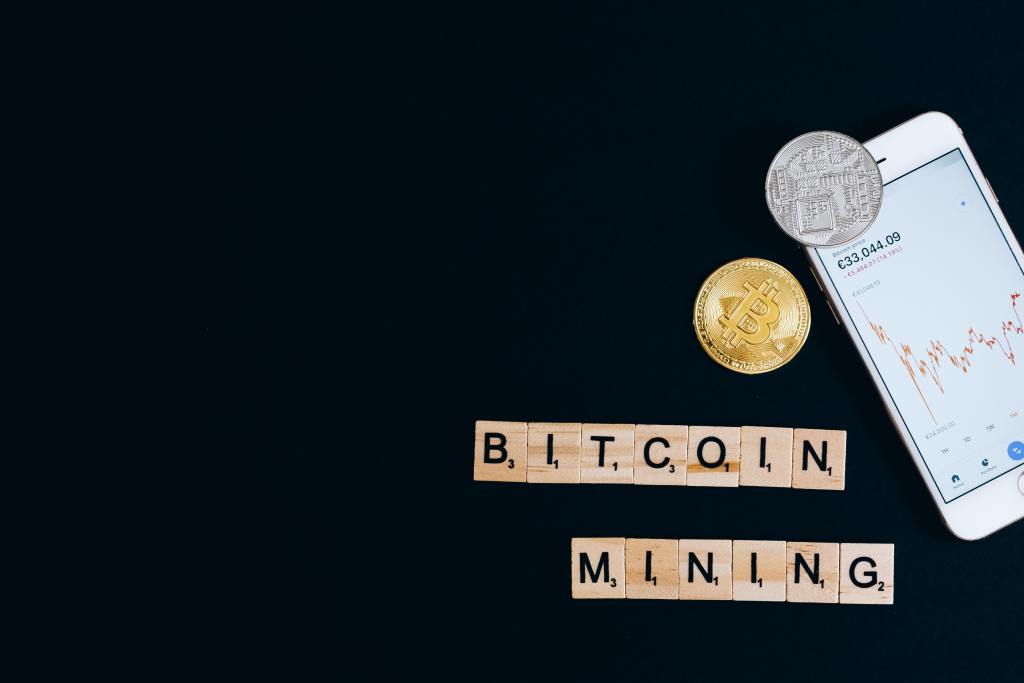
Bitcoin mining is the process of verifying transactions on the bitcoin network in exchange for new bitcoins. It is a crucial part of the network’s security and its importance cannot be overstated. The history of bitcoin mining hardware has been one of constant evolution, starting with the use of CPUs and GPUs to specialized ASICs (Application-Specific Integrated Circuits) that we have today.
In the early days of bitcoin, mining was done using CPUs from regular computers. As the network grew, more powerful hardware was required to keep up with the increasing difficulty of mining new blocks. The introduction of GPUs (graphics processing units) marked a significant step forward, as they were faster than CPUs and could perform more calculations.
However, it was the introduction of ASICs (Application-Specific Integrated Circuits) that truly revolutionized the industry. These specialized devices were designed specifically for the task of bitcoin mining and offered significantly higher efficiency and hash rates compared to general-purpose hardware. But it also limited the possibility of mining for individual miners and led to the centralization of mining power among a small number of large mining pools.
The impact of ASICs on the bitcoin network has been significant, with the vast majority of mining power now controlled by a small number of large companies. This poses risks for the network, such as the potential for a 51% attack. With the market of ASICs getting more competitive and diverse, the future of mining is in constant change.
Currently, the ASIC miners available in the market are the Antminer S19/S19 pro, Whatsminer M30S++, Innosilicon T3+, Bitmain Antminer T17+ and many more, each with different hash rates, efficiency and price. However, with new developments like the implementation of ASIC resistance and the emergence of new consensus mechanism such as Proof-of-stake (PoS), the future of mining is uncertain.
In conclusion, the history of bitcoin mining hardware is one of constant evolution, with new developments leading to increased efficiency and higher hash rates. However, these developments have also led to the centralization of mining power and the emergence of challenges. It’s important for bitcoin users and enthusiasts to stay informed about the latest developments in the industry, in order to understand and navigate the challenges ahead.
Thanks for reading 📚 😀! , if you have any questions or comments , feel free to contact me or drop a comment.
-Ruben
 Bitcoin Tech Info